Flip the Parlay: How to Turn the Public's Favorite Combo Tickets Into a Contrarian Goldmine
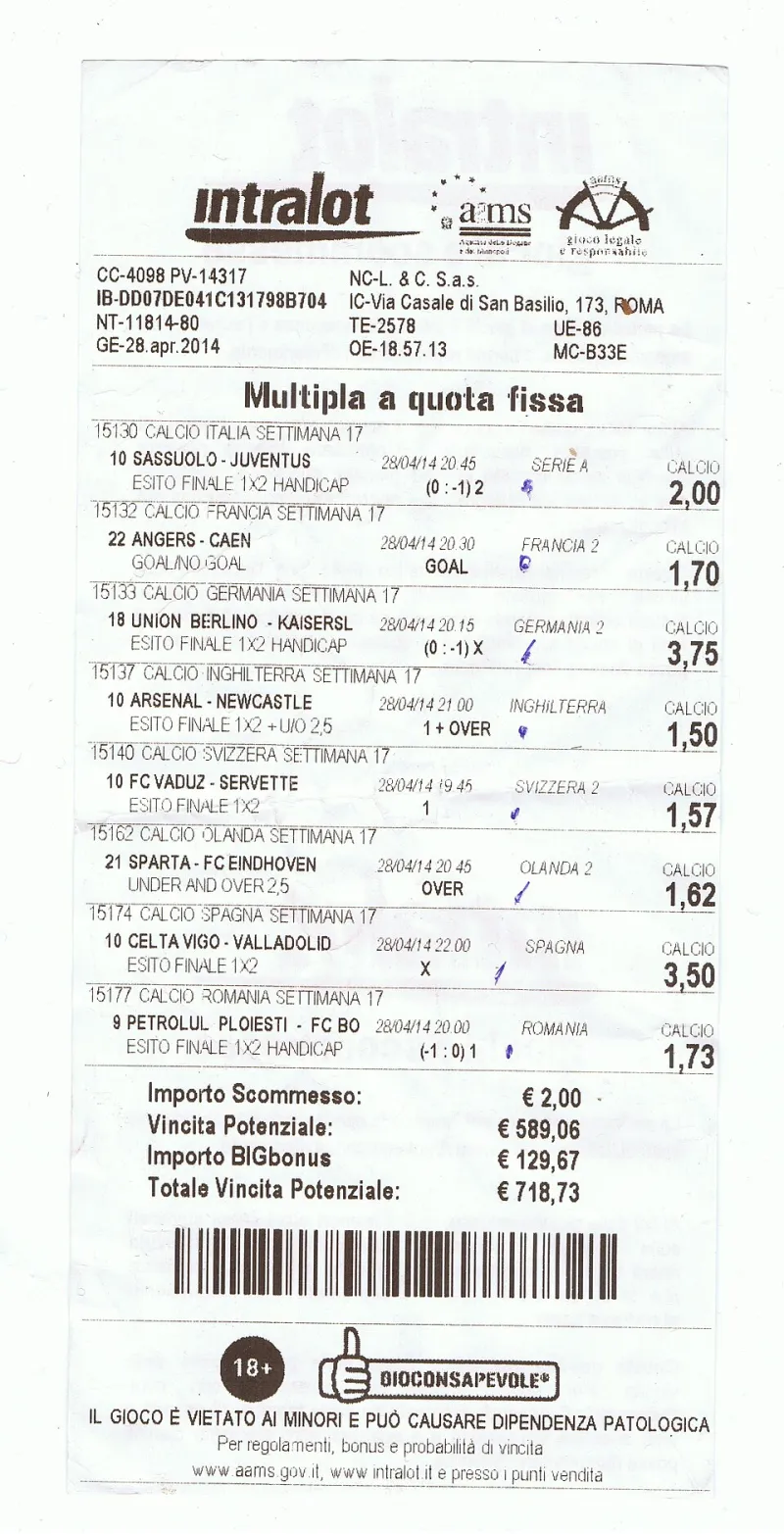
Photo: Nicholas Gemini, CC BY-SA 3.0, via Wikimedia Commons
Every Sunday, the same thing happens. Millions of bettors open their sportsbook apps, scroll through the featured parlay builder, and start clicking the same teams. The Chiefs moneyline. The over in a high-profile matchup. The favorite covering at home. These legs get stacked together on hundreds of thousands of tickets — and in the process, something interesting happens to the market.
The books notice. And sharp bettors notice too.
Here's the angle most people never consider: instead of joining the parlay crowd, you can use their behavior as a contrarian signal. The public's most popular parlay legs are often the most overloaded outcomes in the entire market. And overloaded outcomes, by definition, tend to be overpriced.
Why Parlay Popularity Distorts the Market
Parlay bettors aren't thinking about individual game value. They're thinking about the dream ticket — the big payout, the screenshot, the story. When you're building a parlay, you're not asking "is this leg +EV?" You're asking "does this feel like it's going to hit?"
That emotional decision-making creates something useful: predictable clustering. Certain teams, certain game totals, and certain outcomes get disproportionate parlay action every week. The books see this flow and — in many cases — adjust their pricing on those outcomes to protect themselves.
But here's the gap: they can't always adjust fast enough, or they adjust unevenly across markets. A leg that's getting hammered in the parlay builder might have its odds shaded slightly, but the single-game line on that same outcome might not move as much. That discrepancy is your entry point.
Where to Find Parlay Trend Data
You don't need to be plugged into insider networks to track this. Several publicly available tools give you real-time visibility into where the parlay money is flowing.
Sportsbook bet percentage tools — sites like Action Network, Covers, and similar platforms publish betting percentage data that shows what percentage of tickets (and in some cases, money) are on each side of a game. The ticket percentage is especially useful here because parlays are usually tracked as tickets, not dollars. Heavy ticket lean with lighter money lean often signals recreational parlay action.
Featured parlay builders — most major sportsbooks have a "popular parlays" or "trending bets" section. This is essentially the books showing you which legs are getting overloaded. Treat it as a reverse signal.
Social media and betting forums — Reddit's sportsbook communities, Twitter/X betting accounts, and Discord groups all aggregate where the public is going. When you see the same three legs appearing on every "here's my card this weekend" post, that's a data point.
The goal is to identify legs that are appearing on a disproportionate number of public parlays — not because the underlying game math supports them, but because they feel good to the betting public.
The Mechanics of the Reverse Fade
Once you've identified an overloaded parlay leg, the move is straightforward in concept: bet the other side as a single.
Let's say the public is hammering the Kansas City Chiefs -7 as a parlay anchor leg. Millions of tickets include that spread. The books have shaded the line slightly, but the underlying spread might still be softer than it should be because the book knows most of those tickets are going to lose anyway — that's the parlay math working in their favor. The individual leg, though? That's where you can find some softness.
You're not betting against the Chiefs because you think they're bad. You're betting against them because the market has overweighted them based on emotional parlay stacking rather than sharp analysis. The outcome doesn't have to be a Chiefs loss — it just has to cover the other side of a spread that's been distorted by recreational volume.
This is a subtle but important distinction. You're not looking for upsets. You're looking for mispriced lines caused by parlay clustering.
Building a Consistent Contrarian Singles Strategy
The real power here isn't in any single game — it's in systematizing the approach across a full season. Here's a framework that keeps the strategy disciplined:
Step 1: Weekly parlay audit. Every Wednesday or Thursday, when lines are live for the weekend, check the public parlay data. Note which three to five legs are showing up most frequently across the popular parlay sections and social media.
Step 2: Cross-reference with line value. For each overloaded leg, pull up the current spread or moneyline. Compare it to the opening line. Has it moved in the direction the public is betting? If yes, the market has partially adjusted. If no, the line might still be soft.
Step 3: Identify the contrarian opportunity. You're looking for legs where the public is heavily loaded on one side but the line hasn't moved much to compensate. That gap is your potential edge.
Step 4: Bet singles, not parlays. This is non-negotiable. The entire point of this strategy is to capture individual game value without the negative expected value multiplication that comes with parlays. One well-placed single on a mispriced outcome beats a five-leg parlay every time over a large sample.
Step 5: Track your results by source signal. Note which parlay data sources produced the most reliable contrarian signals for you. Over time, you'll learn which platforms best reflect the recreational money you're trying to fade.
The Numbers Behind Why This Works
Public bettors lose money on parlays at a higher rate than they lose on singles. The math is just worse — each additional leg multiplies both the payout and the house edge. But the interesting side effect is that the legs they choose for parlays are systematically biased toward favorites, popular teams, and high-profile games.
Those biases create predictable market distortions. Favorites get overbet. High-profile teams get overbet. Popular games get their totals pushed by recreational volume. The contrarian who fades those distortions is essentially collecting a small premium every time the market overcorrects.
It's not a get-rich-quick strategy. It's a grind-it-out edge that compounds slowly and consistently — which, at BJ88Bet, is exactly the kind of approach we'd put in the "playing smart" column.
The Mindset Shift
Most bettors see parlay data and think: "where should I put my ticket?" The reverse fade asks a different question entirely: "where is the crowd wrong, and how do I profit from it?"
That mindset shift — from chasing payouts to exploiting market inefficiencies — is what separates recreational bettors from people who actually build long-term edges. The parlay crowd isn't your competition. They're your signal.
Let them build their dream tickets. You'll be on the other side of the most overloaded legs, quietly cashing singles while everyone else is refreshing their parlay tracker.