Bet With the Calendar: How to Build a Year-Round Sports Wagering Plan That Holds Up
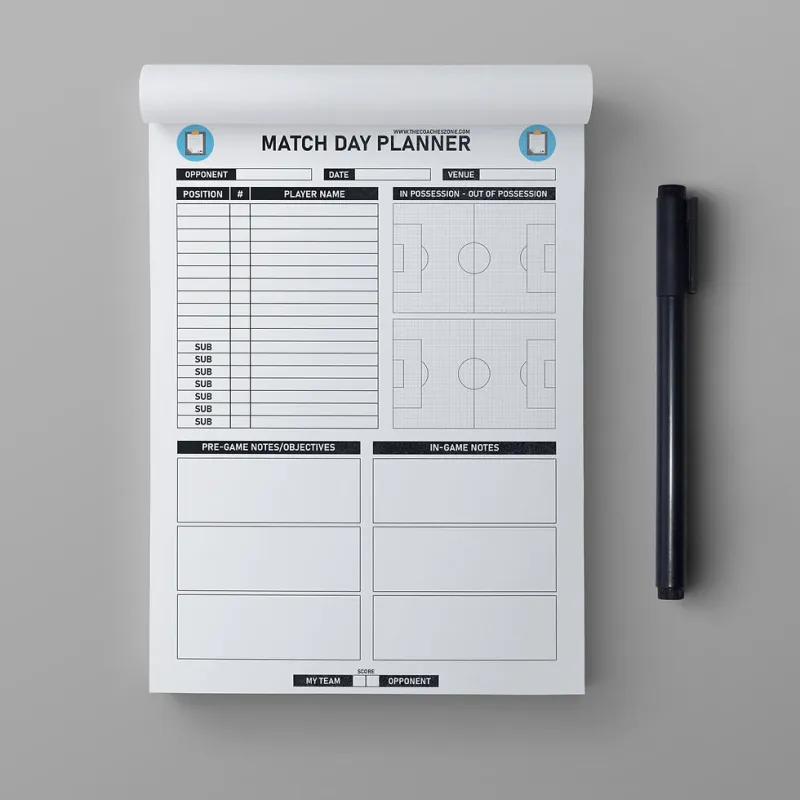
Photo: sports calendar planner betting strategy planning desk, via static.wixstatic.com
If you've ever found yourself placing a bet on a mid-January NHL game simply because it was the only thing available on a Tuesday night, this one's for you. Reactive betting — jumping at whatever's on the board — is one of the quietest bankroll killers in sports wagering. The fix isn't discipline alone. It's structure.
Building a year-round betting schedule isn't about restricting yourself. It's about playing to your strengths, protecting your money during the slow stretches, and going hard when the calendar actually sets up in your favor. Here's how to think about it, season by season.
Start With an Honest Self-Assessment
Before you map out a single month, you need to answer a hard question: which sports do you actually understand well enough to have an edge?
Not which sports you enjoy watching. Not which ones your friends bet on. Which ones do you know deeply — the teams, the systems, the injuries, the coaching tendencies, the situational trends?
For most American bettors, that list is shorter than they'd like to admit. It might be one conference of college football. It might be the NFC East and nothing else. It might be PGA Tour golf, where you've spent years tracking course fits and driving stats. Whatever it is, that's your lane — and your betting calendar should be built around it.
Q1: January Through March — Tournament Season and the Patience Game
The year kicks off with NFL playoffs, which is genuinely one of the best betting environments of the year for prepared bettors. The field is small, the matchups are high-profile, and there's an enormous amount of public money creating line movement you can sometimes fade effectively. If the NFL is your sport, January is your Super Bowl — literally.
Then comes the stretch that trips up even experienced bettors: the gap between the NFL playoffs and March Madness. College basketball's regular season is technically in full swing, but unless you've been tracking the sport since November, you're walking into a minefield. The temptation to bet 15 games on a Saturday afternoon because they're all available is real — and it's usually a mistake.
March Madness is a different story. The tournament is one of the most bet-on events in American sports, and for good reason. But the chaos that makes it fun to watch is the same chaos that makes it brutal to bet systematically. The smartest approach: pick a handful of games where you have genuine conviction based on matchup research, and stay off the rest. Don't bet 40 games because it's March. Bet six games because you actually know something.
Q2: April Through June — The Sharp Bettor's Hidden Season
This is where casual bettors go quiet and sharps quietly grind. The NBA playoffs run through mid-June and offer some of the best live betting and series-price value in sports. If you follow the league closely, the playoff format — where adjustments happen game to game — rewards bettors who pay attention to coaching changes and lineup shifts.
MLB also opens up in April, and it's a sport that rewards specialization more than almost any other. Betting 162-game seasons blindly is financial self-destruction. But if you focus on a division you know well, track starting pitcher matchups and bullpen usage, and understand how home/away splits play out across the schedule, baseball can be a profitable grind.
Golf majors — The Masters in April, the PGA Championship in May, the U.S. Open in June — are worth circling specifically. Course history, current form, and wind conditions are genuinely priceable edges. These events also offer outrights and top-20 finishes, which give you more ways to find value than simple win bets.
Q3: July Through September — Manage the Slow Burn
Mid-summer is the danger zone. MLB is the primary option, and without discipline, it's easy to bet games every single day just to stay active. This is the time to consciously reduce volume and increase selectivity. If you've identified a few teams or divisional matchups you track closely, stick to those. Everything else is noise.
Boxing and MMA fill the calendar year-round, and for bettors who put in the research, they can be lucrative. The key is treating each fight as its own project — understanding styles, recent performance, training camp reports, and how the judges have historically scored similar bouts. Don't bet a card just because it's a big name. Bet it because you've done the work.
College football kicks off in late August, which for many American bettors is the most exciting stretch of the year. The volume of games is enormous, and that's precisely why you need guardrails. Pick your conferences. Know your programs. The Big Ten bettor who bets Mountain West games on a whim is just donating money.
Q4: October Through December — Peak Season, Peak Discipline
The NFL regular season is the crown jewel of the American sports betting calendar. It's also where the most money is lost by undisciplined bettors who convince themselves they can go 15-for-16 on a Sunday slate.
The most successful NFL bettors are selective. They bet fewer games per week than you'd expect — maybe three to five — and they have clear reasons for each one beyond "I like this team." They understand line shopping, they track closing line value, and they don't chase losses by adding games late Sunday night.
As December closes out, the college football bowl season and NFL stretch run overlap, giving you plenty of material to work with heading into January — where the whole cycle starts again.
The Bankroll Layer: How to Allocate Across the Year
A seasonal calendar only works if your bankroll is structured to match it. A simple framework: designate a percentage of your annual bankroll to each major sports season based on how much you genuinely know about it. If NFL is your primary sport, it gets the biggest allocation. If you're a casual baseball watcher, MLB gets a small, exploratory budget.
This prevents the common mistake of burning through your bankroll in March only to have no funds left when the NBA playoffs or golf majors roll around.
Play the Long Game
At BJ88Bet, the whole idea is to bet bold and play smart — and nothing embodies that more than treating your betting life as a year-round operation rather than a series of impulsive decisions. The bettors who win consistently aren't the ones who bet the most. They're the ones who know when to go hard, when to pull back, and which sports actually deserve their money.